


Join us and work as: Agronomist / Agricultural Adviser We invite you to join our team of Regenerative Advisers, who will support farms in adapting their production to environmental, business and legal requirements. We provide training and the chance to work under the guidance of experts from Poland and abroad. If you are an […]

How does food quality affect our health? What we eat affects our health – that much is obvious. However, not all of us realise that soil is a key element of a healthy diet. Healthy soil is the foundation of agriculture and of the entire food chain. Unfortunately, current farming methods are increasingly depleting it, […]
The key to healthy, fertile land The quality of soil – our most fundamental resource – directly affects crop yields, plant health and the profitability of farming. Among the many factors that determine its fertility, soil pH is particularly important. Its level affects nutrient availability, microbial activity and soil structure. Soils that are too acidic […]

Food density At a time of growing environmental awareness and concern for health, there is more and more talk about the quality of the food we eat. One term worth knowing is “food density” – a concept of great importance in the context of regenerative agriculture, healthy eating and soil protection. Let us take a […]

The carbon footprint – what is it? Learn more about the concepts behind our work. A carbon footprint is a way of measuring how much greenhouse gas we release into the atmosphere through our activities, products or services. It is most often expressed as carbon dioxide equivalent, but it also covers other gases such as […]

The European Green Deal (EGD) is a European Union strategy aimed at transforming the economy into a greener and more sustainable one. Many people associate the new rules and regulations solely with restrictions and costly measures and processes that place a burden on the economy and business. Yet little is said about the fact that […]

Regenerative agriculture is gaining importance as a response to problems linked to soil degradation, climate change and intensive agricultural production. One of the key practices in this approach is adding organic matter to the soil in the form of manure, slurry and crop residues. Thanks to these natural fertilisers, soil becomes healthier and more fertile, […]
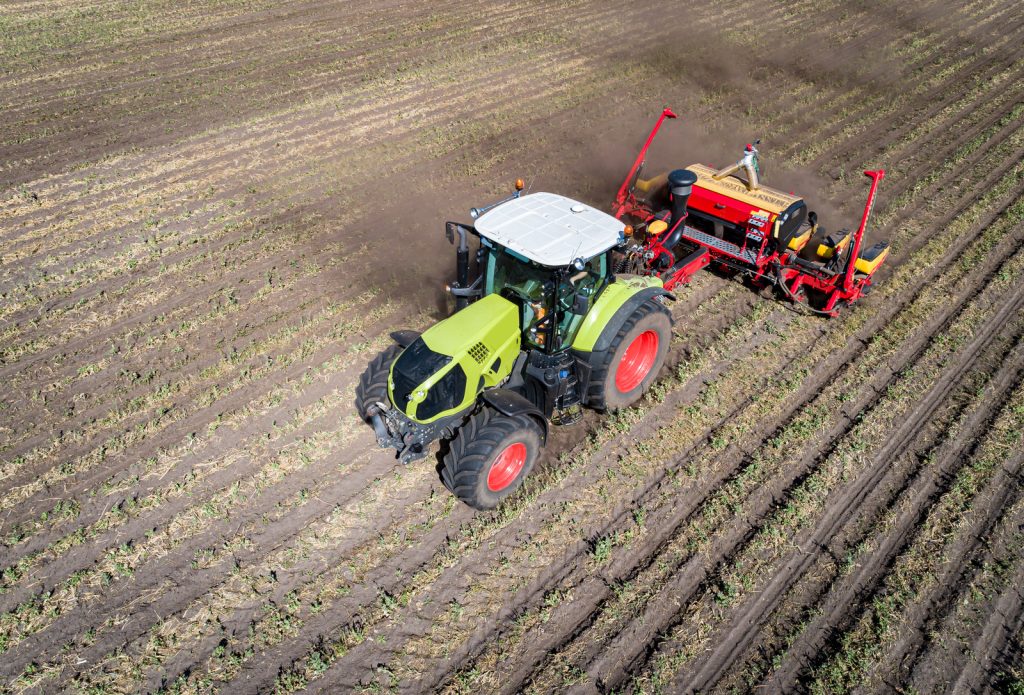
Modern agriculture faces many challenges, including climate change and the need for more sustainable resource management. One approach that is gaining increasing recognition is reducing soil tillage to a minimum. This system, also known as no-till or conservation agriculture, aims to minimise mechanical disturbance of the soil, which brings both environmental and economic benefits. Why […]
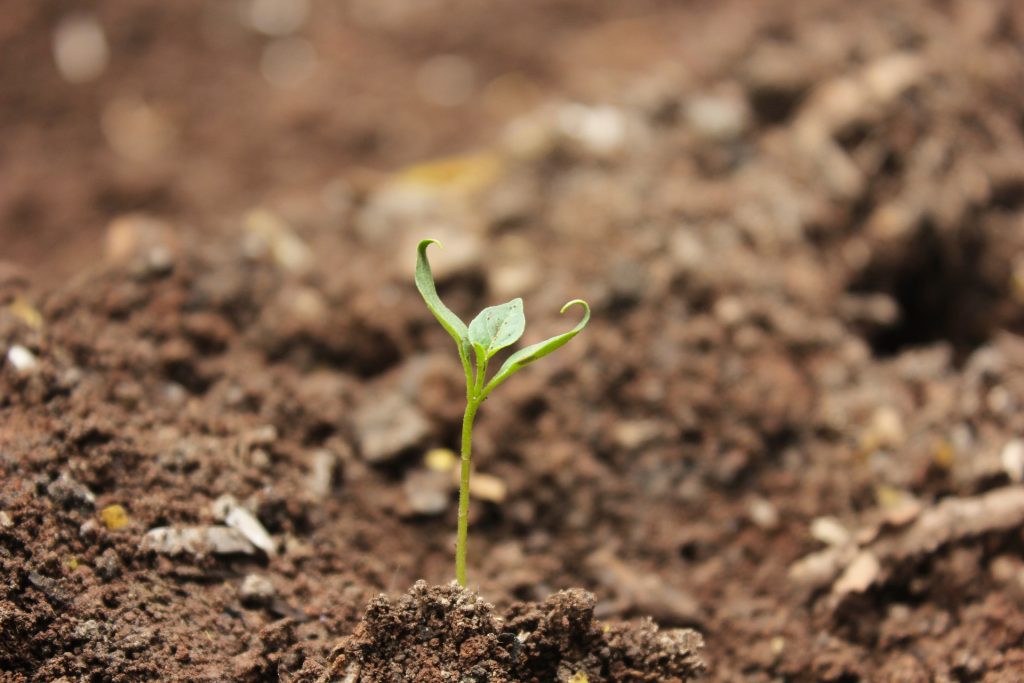
At a time of growing challenges related to environmental protection, a changing climate and soil degradation, regenerative agriculture is becoming a key tool for building a more sustainable future. One of the fundamental practices of this approach is maintaining living roots in the soil. This means keeping fields covered with vegetation all year round – […]
don't wait, write to us or use the contact form.